 By
By 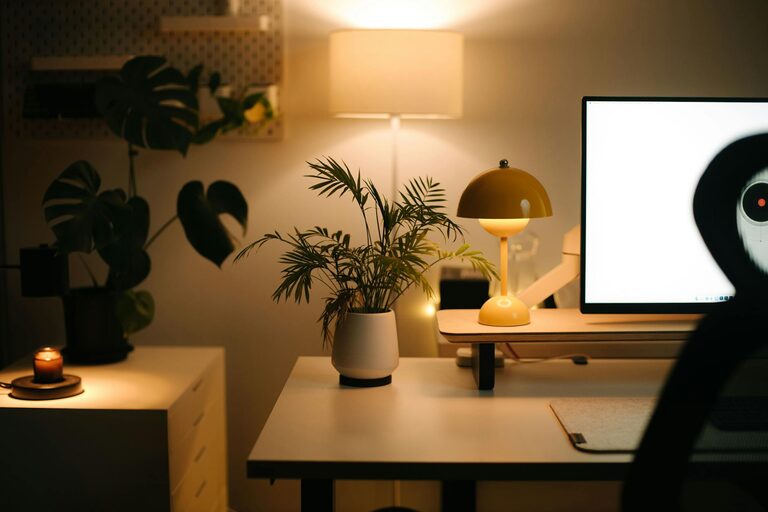
Creating a cozy and inviting home workspace is essential for anyone who spends significant time working from home. A comfortable environment not only boosts productivity but also makes your daily routine more enjoyable. Whether you have a dedicated room or just a corner of your living space, these tips will help you design a workspace that feels welcoming and inspires focus.
Choose the Right Location
Start by selecting the best spot for your workspace. Ideally, choose a quiet area with minimal distractions and enough natural light. Natural light improves mood and reduces eye strain, so placing your desk near a window can make a big difference. If space is limited, consider a foldable desk or a compact workstation that fits seamlessly into your home layout.
Tips for Location:
– Avoid high-traffic areas to maintain concentration.
– Position your desk facing the door or window for a sense of openness.
– Use room dividers or screens to separate your workspace if needed.
Invest in Comfortable Furniture
Comfort is key to creating an inviting workspace. Choose an ergonomic chair that supports your back and encourages good posture. Your desk should be at a height that allows your arms to rest comfortably while typing or writing.
What to consider:
– Adjustable chairs with lumbar support.
– A desk with enough surface area for your essentials.
– Footrests or cushions if needed for extra comfort.
Use Warm Lighting
Lighting sets the mood of your space. While natural light is excellent, supplement it with warm artificial lighting that doesn’t feel harsh. Desk lamps with adjustable brightness and warm bulbs produce a cozy glow, making your workspace feel inviting during darker hours.
Lighting suggestions:
– Use LED bulbs with a warm color temperature (around 2700K).
– Add a soft desk lamp or string lights for ambiance.
– Avoid overhead lights that create glare.
Personalize Your Workspace
A personalized space feels more welcoming and motivates you to spend more time there. Add decor items that bring you joy but avoid clutter that could distract you.
Ideas to personalize:
– Photos or artwork that inspire you.
– Plants to add a touch of nature and improve air quality.
– Decorative organizers in colors or styles you like.
Keep Things Organized
Clutter can be both distracting and stressful. Organizing your workspace helps maintain focus and efficiency.
Organization tips:
– Use drawer organizers, shelves, or bins to store supplies.
– Keep only what you need on your desktop.
– Regularly declutter to avoid buildup.
Incorporate Textures and Soft Materials
Adding soft materials like rugs, cushions, or curtains can make a space feel more inviting and comfortable.
Ways to add coziness:
– Place a small area rug under or near your desk.
– Use a cushion on your chair if it needs extra padding.
– Hang curtains or blinds that soften incoming light.
Create a Routine-Friendly Environment
Your workspace should support your daily work habits. Consider including items that help maintain your routine.
Helpful additions:
– A whiteboard or corkboard for notes and reminders.
– Storage for planners, calendars, or stationery.
– A water bottle or coffee mug nearby to stay hydrated.
Minimize Noise and Distractions
If noise is an issue, try to reduce it as much as possible to keep your workspace peaceful.
Tips to reduce noise:
– Use noise-cancelling headphones.
– Add soft furnishings that absorb sound, like rugs or fabric wall hangings.
– Close doors or windows to block external noise.
Maintain Good Air Quality
Fresh air contributes greatly to comfort and alertness.
How to improve air quality:
– Open windows regularly if possible.
– Use small air purifiers or fans to circulate air.
– Include air-purifying plants like spider plants or snake plants.
Final Thoughts
Creating a cozy and inviting home workspace doesn’t require a complete redesign. Even small changes like adding a plant or using warm lighting can improve your space and your work experience. Focus on comfort, organization, and personalization to build a workspace that truly supports your productivity and well-being.
By intentionally designing your home office to be both functional and welcoming, you can transform work-from-home days into a positive and productive experience.