 By
By 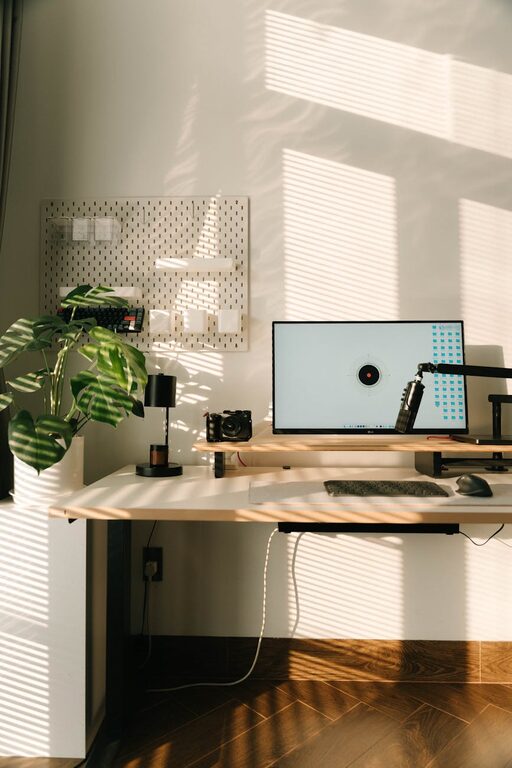
Creating a workspace at home that is both cozy and functional can greatly improve your productivity and overall well-being. Whether you work remotely full-time, freelance, or simply need a dedicated area for managing personal tasks, designing the right environment is essential. In this post, we’ll explore helpful tips to create a home workspace that feels inviting and supports your daily work needs.
Why a Cozy and Functional Workspace Matters
A well-designed workspace offers more than just a desk and a chair. It encourages focus, reduces stress, and makes work more enjoyable. When your workspace balances comfort and functionality, you’ll find it easier to stay motivated and organized. Plus, a pleasant area can contribute to better posture and energy levels, which are critical when spending long hours at home.
—
Choosing the Right Location
Find a Quiet, Comfortable Spot
Start by selecting a space that is relatively quiet and free of distractions. This could be a spare room, a nook by a window, or a corner in your living room. The goal is to have a dedicated area where you can concentrate without interruptions.
Consider Natural Light
Natural light enhances mood and alertness, so try to position your workspace near a window if possible. Avoid glare on your screen by arranging your desk perpendicular to the window.
—
Furniture and Layout Essentials
Invest in an Ergonomic Chair and Desk
Comfort is key. An ergonomic chair supports your posture, reducing strain on your back and neck. Similarly, a desk at the right height prevents wrist and shoulder discomfort.
Keep Your Desk Organized
A clutter-free desk improves focus. Use trays, drawer organizers, or desktop containers to keep stationery, documents, and gadgets neatly stored.
Plan Your Layout for Efficiency
Arrange your workspace so essential items are within easy reach. Position your monitor at eye level, and designate areas for different tasks like writing, computer work, or brainstorming.
—
Personalizing Your Workspace
Add Cozy Elements
Incorporate soft textiles like a small throw blanket, cushioned chair pads, or a rug to create warmth. These touches make the space inviting and reduce the feeling of being in a sterile office.
Use Calming Colors and Decor
Choose colors that help you relax or feel energized according to your preference. Blues and greens often promote calmness, while brighter colors like yellow can boost creativity.
Include Indoor Plants
Plants improve air quality and add a natural touch. Even a small succulent on your desk can brighten the area and improve your mood.
—
Lighting Tips
Combine Ambient and Task Lighting
During darker hours, use a combination of overhead lighting and a good desk lamp. Adjustable lamps with soft, warm light reduce eye strain.
Avoid Harsh Fluorescent Lights
Whenever possible, opt for bulbs that mimic natural daylight or use lamps with dimming features. This creates a more comfortable atmosphere for extended work periods.
—
Technology and Cable Management
Choose Reliable Tech Tools
Invest in a good quality monitor, keyboard, and mouse that suit your working style. Using reliable equipment minimizes frustrations and downtime.
Manage Cables Neatly
Use cable organizers, clips, or sleeves to keep cords from tangling. A tidy setup not only looks better but also reduces hazards.
—
Organizing for Productivity
Use Vertical Storage Solutions
Shelves, bulletin boards, or wall-mounted organizers keep important materials visible but off your desk, saving space.
Establish a Filing System
Designate folders or binders for different categories like bills, receipts, or project papers. Label everything clearly for easy access.
Set Daily and Weekly Priorities
Use a planner or digital tool to list tasks and deadlines. This helps maintain focus and track progress over time.
—
Taking Care of Your Workspace
Clean Regularly
Wipe down surfaces and dust electronic devices at least once a week. A clean environment supports mental clarity and hygiene.
Refresh the Space Occasionally
Change decor or rearrange furniture now and then to keep the area stimulating. Small updates can rekindle enthusiasm.
—
Balancing Work and Relaxation
Include a Break Area
If space allows, add a comfortable chair or a small couch nearby to relax during breaks. Changing seating options can reduce fatigue.
Incorporate Personal Motivators
Display items that inspire you, such as photos, quotes, or artwork. Positive reminders can brighten your day and boost morale.
—
Final Thoughts
Creating a cozy and functional home workspace is about combining comfort, organization, and personalization. By carefully selecting your location, investing in ergonomic furniture, managing clutter, and adding personal touches, you can build the ideal environment that supports your work and well-being. Take the time to design an area that motivates and relaxes you—it will make a significant difference in your home working experience.
—
Remember, your workspace should reflect your personality and work style, so feel free to adapt these tips to fit your unique needs. Happy decorating!